.svg)

How to Choose the Right Plants for Your Microclimate
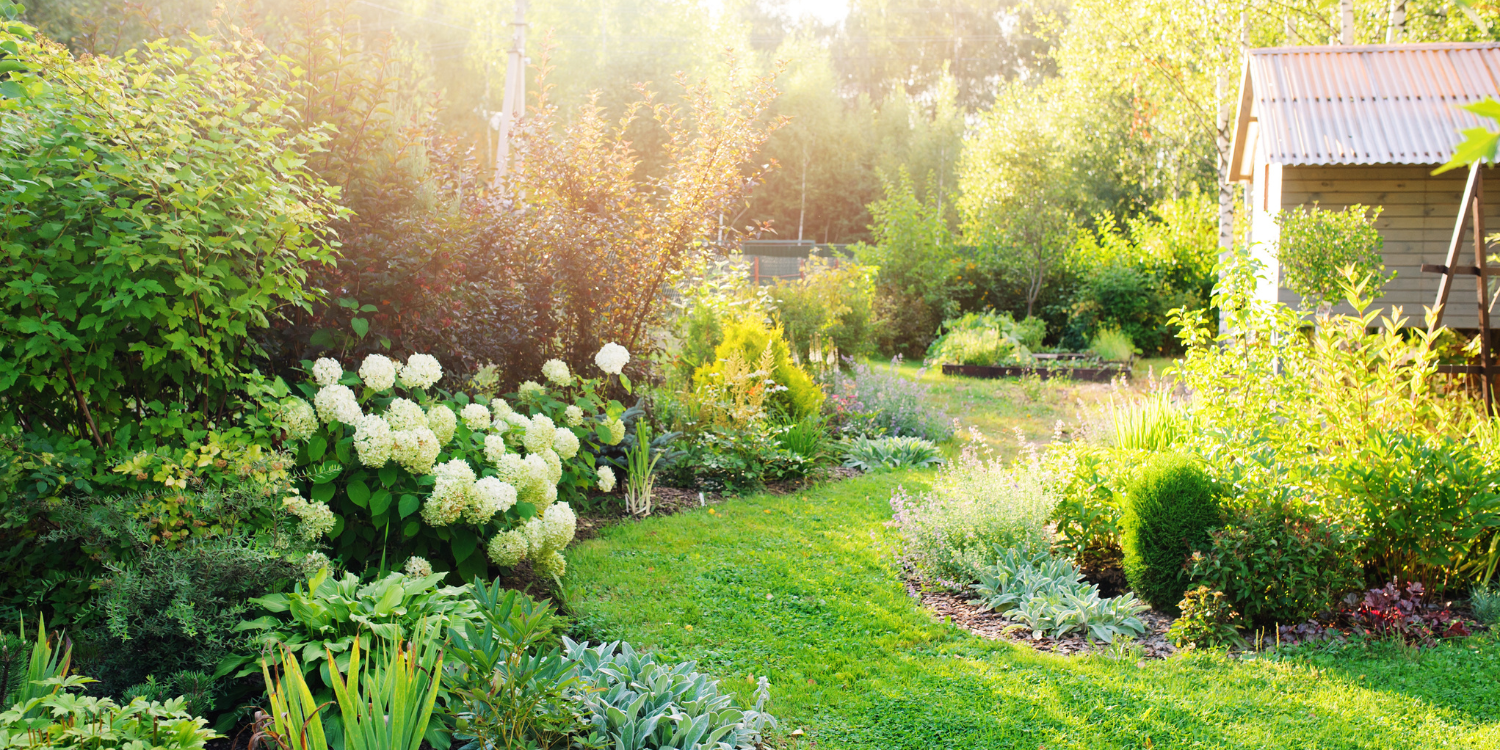
Creating a thriving garden that looks beautiful year-round involves much more than simply selecting plants that catch your eye. Understanding the microclimate of your garden is crucial for plant selection, ensuring that your outdoor space not only flourishes but also remains sustainable over time. In this blog, we'll explore how to identify your garden's microclimate and choose plants that are best suited to this environment.
Understanding Microclimates
A microclimate refers to the local atmospheric zone where the climate differs from the surrounding area. Factors such as elevation, orientation to the sun, buildings, and bodies of water can all influence a microclimate. These conditions determine not only temperature but also light levels, humidity, and wind exposure, which can significantly impact plant health and growth.
Identifying Your Garden's Microclimate
To choose the right plants for your garden, start by observing your outdoor space throughout the day and across different seasons. Note areas that receive full sun, partial shade, or full shade, and consider how elements like walls, fences, and trees affect these conditions. Additionally, pay attention to spots that may be particularly windy or sheltered, as well as areas prone to frost. By mapping these conditions, you can identify various microclimates within your garden.
Selecting Plants for Your Microclimate
Once you've understood your garden's microclimates, you can begin selecting plants that are well-suited to each area. Here are some tips for making the best choices:
- For sunny spots: Look for plants that thrive in full sun, such as lavender, salvia, and many types of grasses. These plants typically require less water and can withstand the heat.
- For shaded areas: Choose shade-tolerant plants like ferns, hostas, and astilbes. These plants are adapted to grow in lower light conditions and can help create a lush, green look in darker parts of your garden.
- For windy areas: Opt for hardy, wind-resistant plants such as ornamental grasses, junipers, and hollies. These species can withstand the drying effects of wind and provide shelter for more delicate plants.
- For wet areas: If your garden has areas that tend to retain moisture, select plants that prefer wet conditions, such as irises, willows, and marsh marigolds.
Consider Local Flora
Incorporating native plants into your garden is another effective strategy for ensuring plant health and reducing maintenance. Native plants are adapted to the local climate and soil conditions, making them more resilient to pests and diseases. They also provide essential habitat and food sources for local wildlife, contributing to biodiversity.
Wrapping Up and Moving Forward
Choosing the right plants for your microclimate is a key step in creating a sustainable and thriving garden. By taking the time to understand the unique conditions of your outdoor space and selecting plants accordingly, you can ensure a beautiful, resilient landscape that reflects your personal style and respects the local ecosystem.

If you're ready to transform your garden but need guidance on selecting the right plants for your microclimate, Paradigm Landscapes is here to assist. Our team of experts specializes in creating customized landscaping solutions that harmonize with the natural environment. Contact us today for a consultation, and let's cultivate a garden that thrives in your unique outdoor space.
Your Questions, Answered:
Everything You Need to Know
.svg)

.svg)
